

Fish welfare is one of the foundations upon which the harvest vessel concept is built. By stunning and harvesting (bleeding) the fish at the pen side, we minimize fish handling. This results in less stressed fish and prevents fish from dying without receiving correct stunning and harvesting.
The crowding operation, where fish are gathered together, is a critical factor to get right to ensure good fish welfare at a fish farm. We are highly committed to optimizing this process and work continuously with the fish farmer to improve welfare during crowding.
Certifications
As part of documenting the standard of our operations and the high requirements set by our customers, we are certified according to GlobalGAP CoC, Aquaculture Stewardship Council CoC, and DeBIO standards.
GlobalGAP CoC
Our certification according to the “GlobalGAP Chain of Custody” standard helps emphasize our focus on high quality. Our customers should feel confident that the way we handle the product meets the requirements set by the market.
ASC CoC
The “Aquaculture Stewardship Council Chain of Custody” standard places high demands on environmental considerations, food safety, and traceability in connection with product handling.
Organic Certification
In organic production, there are high standards for fish welfare and the environment.
Cleaning
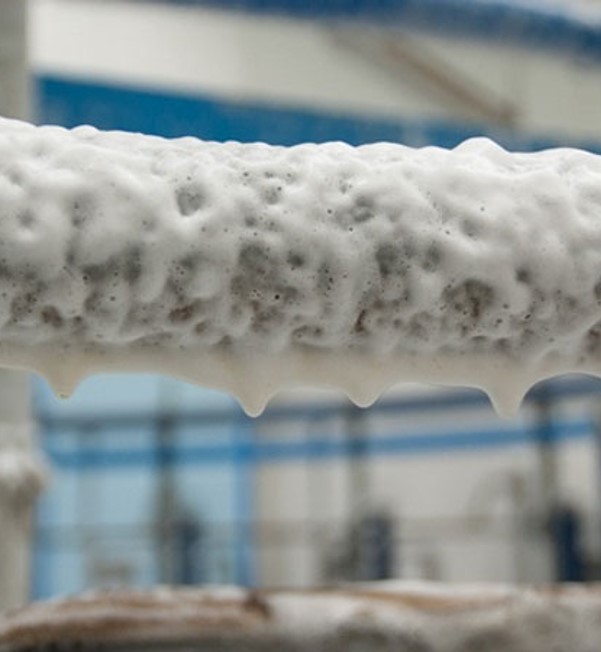
A well-developed cleaning and control regime is necessary for us to ensure food safety. The vessels undergo a significant cleaning and disinfection routine after every fish transport – the factory and associated equipment are manually washed and disinfected, while the onboard piping system is cleaned through a so-called “Clean In Place” system. We have developed a CIP system that maintains the quality of the cleaning while keeping cleaning time to a minimum. This system is based on experience built over a decade of process boat operations. Many effective solutions ensure that the system is properly drained between cleaning steps, which enhances the quality of the wash.
Cleaning is verified using various sampling methods, such as ATP, swab, and water samples after every fish delivery.
Environment
At Napier, we are proud to contribute an environmentally friendly solution for the transport of harvest-ready fish. Our vessels are significantly smaller than wellboats having the equivalent capacity of fish. This allows us to operate with less than half of the power requirement of those vessels. The difference in power has a direct relevance to the vessels’ emission profile as well, making harvest vessels market leaders for emissions per kilogram of farmed fish transported for human consumption. At the same time, a reduction in mortality translates to reduced emissions per kg of fish produced.
Water Purification
We have an ongoing project with Sandtorv Maskin, where we aim to purify and disinfect the loading water for reuse. This will reduce chemical use and emissions, while also enabling the utilization of filtered fat and protein mass for other purposes. The pilot project is currently located on board the Taupiri.
Chemicals
Reducing chemical emissions from soaps and disinfection is a priority for us, and we work with several partners to keep harmful substances, such as chlorine, away from as many components as possible. This is achieved without compromising food safety in any way.
